

Frailty of Aging
As we age our bodies undergo, at varying rates, a series of changes that move us away from homeostasis — or perfect biological balance — and toward a decreased ability to adapt to both internal and external stress, which leaves us more vulnerable to disease. In some people the effects of aging are pronounced, characterizing them as frail — with decreased strength, endurance, physiologic function, and activity, all associated with poor health outcomes. Perhaps you have known people who were dependent on others for their everyday needs — shopping, cooking, and caring for themselves. These are the hallmarks of frailty of aging.

The Scientific Rationale Behind Using Stem Cells To Treat Frailty of Aging
Various studies have concluded that human umbilical cord tissue-derived mesenchymal stem cells (hUCT-MSCs), which are similar to the Golden Cells™ we use at Stem Cell Institute, can regulate the immune system, and reduce systemic inflammation. These effects may occur in patients with overactive or underactive immune systems, and/or systemic inflammation who undergo our Frailty of Aging treatments.
A recent phase II clinical trial from the University of Miami on mesenchymal stem cell therapy for aging frailty using allogeneic mesenchymal stem cells (hMSCs) concluded that: “…Treated groups had remarkable improvements in physical performance measures and inflammatory biomarkers, both of which characterize the frailty syndrome…”
A number of animal studies (in mice) have demonstrated the rejuvenation effects of growth differentiation factor 11 (GDF11), which is produced by hUCT-MSCs. These effects include: reduction of cardiac hypertrophy (abnormal enlargement, or thickening, of the heart muscle), promotion of new blood vessel growth, increased blood vessel volume, neurogenesis (the growth and development of nervous tissue), and muscle rejuvenation (including increased endurance and grip strength) – to name several.
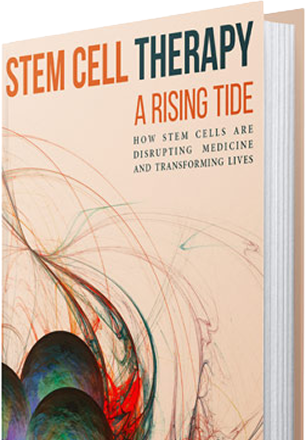
Dr. Riordan’s book “Stem Cell Therapy: A Rising Tide”
“Neil takes readers on a riveting journey through the past, present, and future of stem cell therapy. His well-researched, educational, and entertaining book could change your life. I highly recommend it.”
– Tony Robbins, NY Times #1 Bestselling Author
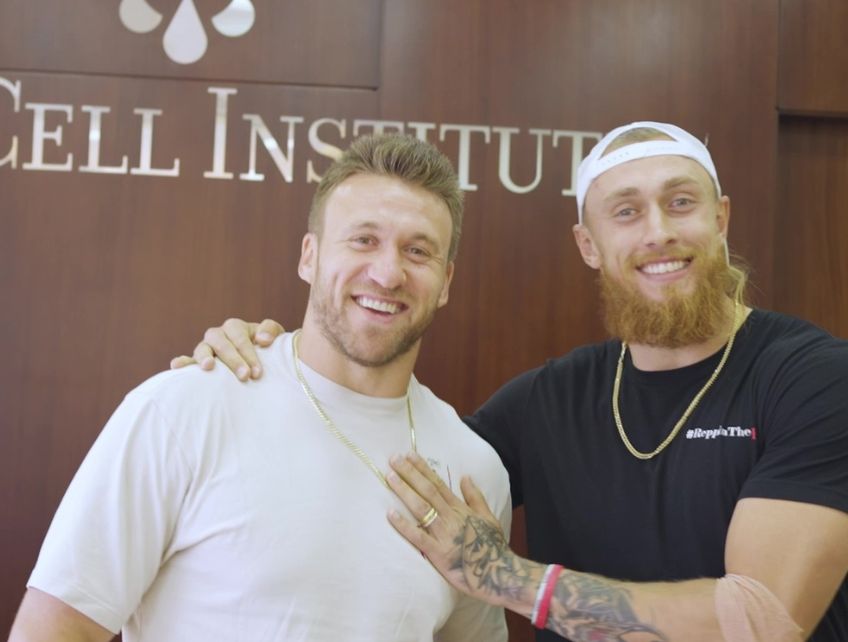
Kyle Juszczyk
Professional Football Player
This has extended my career tremendously.
Kyle Juszczyk
Professional Football Player
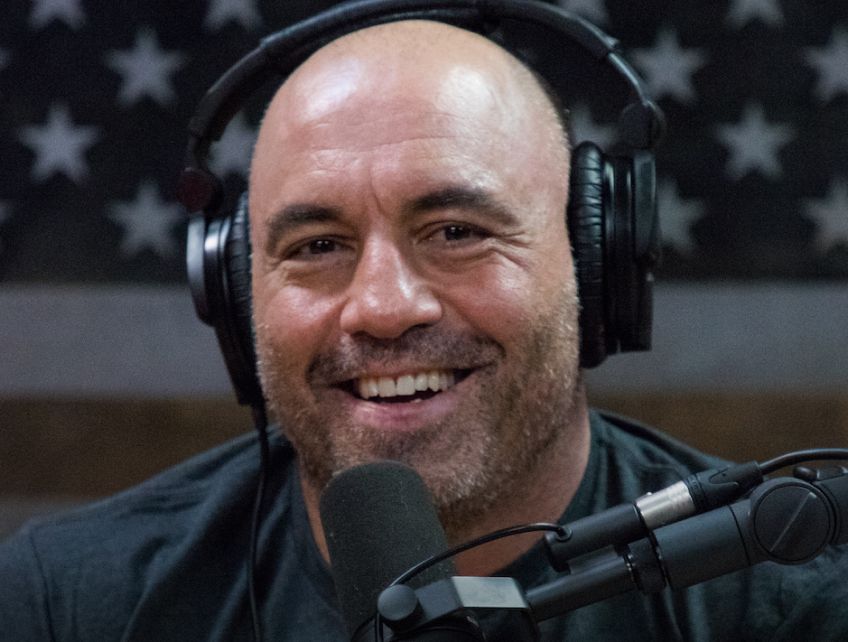
Joe Rogan
American Podcaster, UFC Commentator,Comedian
I sent my mom down there twice and it did wonders for her.
Joe Rogan
American Podcaster, UFC Commentator,Comedian

Mel Gibson
American Actor & Filmmaker
It was like he got a new lease on life.
Mel Gibson
American Actor & Filmmaker

TJ Dillashaw
Sports Injuries
The combination of stem cells and physical therapy helped a lot. I was also able to get rid of arthritis in my wrist and hand.
TJ Dillashaw
Sports Injuries
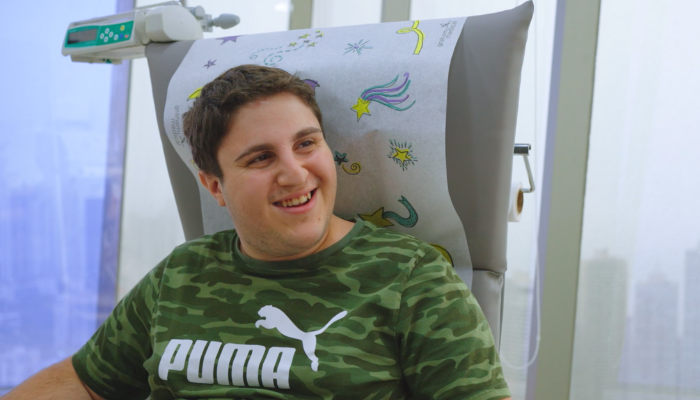
The Kelley Family
Autism
After going through such a journey, there is nothing that is an issue or a problem because of the miracle we saw with stem cells.
The Kelley Family
Autism
What are the advantages of treating frailty of aging with allogeneic umbilical cord tissue-derived stem cells?
No need to collect stem cells from the patient’s hip bone or fat under anesthesia, which can be an unpleasant ordeal.
There is a growing body of evidence showing that umbilical cord tissue-derived (HUCT) mesenchymal stem cells are more robust than mesenchymal stem cells from other sources.
No need to administer chemotherapy drugs like granulocyte-colony stimulating factor (G-CSF or GCSF) to stimulate the bone marrow to produce granulocytes and stem cells, and release them into the bloodstream.
Since HUCT mesenchymal stem cells are immune system privileged, cell rejection is not an issue and Human Leukocyte Antigen (HLA) matching is not necessary.
The stem cells with the best anti-inflammatory activity, immune modulating capacity, and ability to stimulate regeneration can be screened and selected.
Allogeneic stem cells can be administered multiple times over the course of days in uniform dosages that contain high cell counts.
Umbilical cord tissue provides an abundant supply of mesenchymal stem cells.
We use Golden Cells™. Years-long retrospective analysis of patient outcomes has enabled us to identify and select the best cells for use in our patients.
Frailty of Aging Protocol
One of our staff physicians will assign a stem cell treatment protocol after you have submitted all requested medical information and received approval.
Protocol
Treatment length: 4 nights
Physical examination and blood testing: Day 1
3 intravenous infusions of specially selected human umbilical cord tissue-derived allogeneic mesenchymal stem cells (Golden Cells™): Days 2 – 4
Intramuscular and Intra-articular injections as indicated
You probably have questions. We’re here to help.
Get answers to frequently asked questions about stem cell therapy, including information on stem cell sources, collection methods, treatment procedures, safety protocols, and more.
No stem cell product from any source, including the patient’s own, is approved by the US FDA to treat frailty of aging.
However, human umbilical cord tissue-derived mesenchymal stem cells that were isolated and grown in our laboratory in Panama to create master cell banks have been used in the United States under US FDA regulation.
These cells served as the starting material for cellular products used in MSC clinical trials for two Duchenne’s muscular dystrophy patients under US FDA’s designation of Investigational New Drug (IND) for single-patient compassionate use. (IND 16026 DMD Single Patient).
The body’s immune system is unable to recognize umbilical cord-derived mesenchymal stem cells as foreign, and therefore they are not rejected. Human umbilical cord tissue stem cells have been administered tens of thousands of times at the Stem Cell Institute, and there has never been a single instance of rejection (graft vs. host disease). As a matter of fact, allogeneic (not the patient’s own) mesenchymal stem cells are approved to treat graft vs. host disease in Canada and New Zealand.
Umbilical cord-derived mesenchymal stem cells also proliferate/differentiate more efficiently than “older” cells, such as those found in the fat, and therefore, they are considered to be more “potent”.
The adult stem cells used to treat frailty of aging at the Stem Cell Institute come from human umbilical cord tissue (allogeneic mesenchymal). These stem cells are expanded at Medistem Panama’s state-of-the-art laboratory.
The mesenchymal stem cells we use are recovered from donated umbilical cords following normal, healthy births. Each mother has her medical history screened and is tested for infectious diseases. Proper consent is received from each family prior to donation.
All umbilical cord-derived stem cells are screened for infectious diseases to International Blood Bank Standards before they are cleared for use in patients.
Only a small percentage of donated umbilical cords pass our rigorous screening process.
Proper follow-up is an essential part of stem cell therapy. Our primary goal is to ensure that you are progressing safely. Regular follow-up also enables us to evaluate efficacy and improve our treatment protocols based on observed outcomes.
Therefore, our medical staff will be contacting you after 1 month, 3 months, 6 months, 9 months, and 1 year to monitor your child’s progress.
You can apply today to find out if you are eligible for treatment. You may also contact us by telephone 1 (800) 980-7836 (toll-free in US) and 1 (954) 358-3382 (International).